
Written by the Akel Hair Clinic medical team in Tirana, led by Dr. Gönül Kiracı (20+ years of hair transplant experience).
Short answer: PRP and stem cell treatment both use material from your own body to strengthen thinning hair, but they are not the same. PRP uses a concentrate of platelets from your blood and has the stronger evidence, lower cost and simpler procedure. Stem cell–based treatments use regenerative cells from your scalp or fat; they are promising but less proven. For most people with early thinning, PRP is the logical first step. For bald areas, neither replaces a hair transplant.
What is PRP for hair?
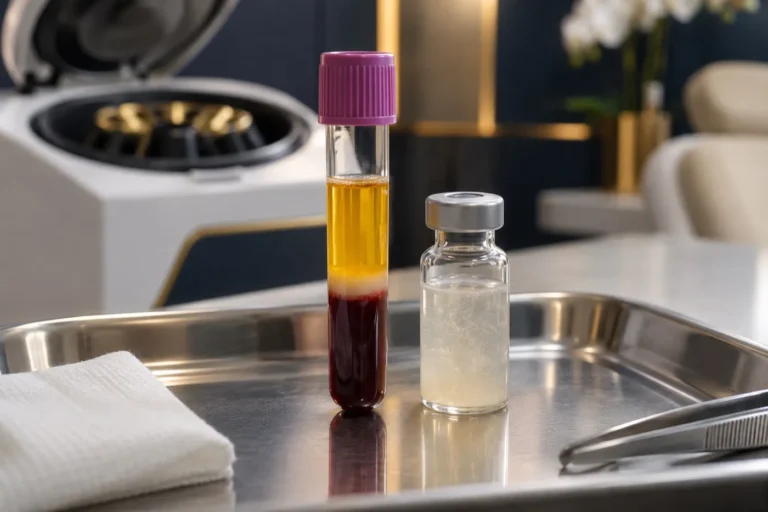
PRP (platelet-rich plasma) is made from a small sample of your own blood. The blood is spun in a centrifuge to separate a plasma layer that is rich in platelets. Platelets release growth factors that support blood supply and push weak follicles back into the growth phase. The concentrate is injected into the thinning areas of the scalp. The whole session usually takes 30 to 45 minutes.
What is stem cell hair treatment?
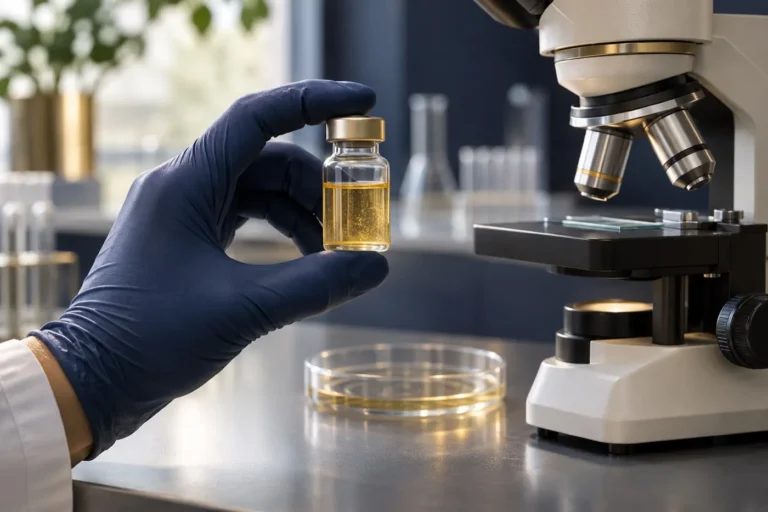
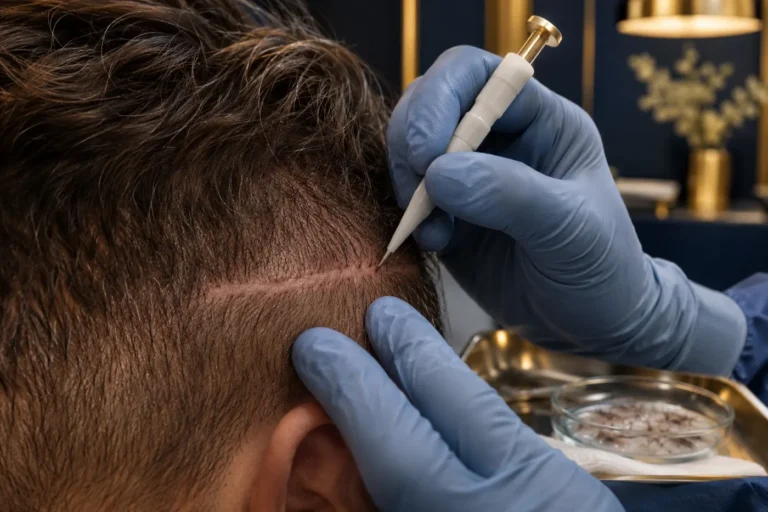
Stem cell hair treatment uses regenerative cells taken either from tiny samples of your scalp or from a small amount of fat. The tissue is processed in the clinic and injected into thinning areas, usually in a single session. The cells release growth factors and signals that may help miniaturised follicles recover. At Akel Hair Clinic, the cells are taken from behind the ear, without liposuction, as part of a Stem Cell Hair Transplant. Read our full guide to learn about the different types.
PRP vs stem cell treatment: side-by-side comparison
| PRP | Stem cell treatment | |
|---|---|---|
| Source | Your own blood | Your own scalp tissue or fat |
| Procedure time | 30-45 minutes | 1-3 hours |
| Anaesthesia | Usually none or local cream | Local |
| Typical sessions | 3-4 sessions, then maintenance every 6-12 months | Usually 1, sometimes repeated after 6-12 months |
| Downtime | None | 1-2 days |
| Strength of evidence | Many studies, including randomised trials | Small, early studies |
| Relative cost | Lower per session | Higher per session |
| Best for | Early to moderate thinning, support after transplant | Early to moderate thinning, when patients want an additional option |
Which one should you choose?
PRP is usually the better first step if…
- you have early to moderate thinning and want a treatment with solid evidence;
- you prefer a short procedure with no downtime;
- you want to support your native hair before or after a hair transplant.
A stem cell–based treatment may be considered if…
- you understand that the evidence is still early and results vary;
- you did not respond well to PRP and medication;
- your doctor confirms that enough living follicles remain in the thinning area.
A hair transplant is the right choice if…
- you already have bald areas, such as a receding hairline or crown;
- your hair loss has been stable for some time;
- you have a strong enough donor area. Options include DHI, Sapphire FUE and the no-shave Long DHI.
Can they be combined?
Yes. Many hair restoration plans combine treatments: a hair transplant to restore bald areas, PRP or stem cells to support healing and the surrounding native hair, and medical treatment to slow further loss. Our Stem Cell Hair Transplant combines the transplant with stem cells from behind the ear in one session. Mesotherapy and laser therapy can also be part of the plan.
Frequently asked questions
Which is more effective, PRP or stem cell treatment?
There is no strong head-to-head evidence yet. PRP has more published studies, including randomised trials, showing improvements in hair density in pattern hair loss. Stem cell–based treatments show promising results in small studies but are less proven.
Can PRP or stem cell treatment replace a hair transplant?
No. Both treatments can only strengthen follicles that still exist. If an area is already bald, only a hair transplant can bring back permanent hair. Both can, however, support the native hair around a transplant.
How many PRP sessions do I need?
A typical plan is 3 to 4 sessions about 4 weeks apart, followed by a maintenance session every 6 to 12 months. Your doctor adjusts this to your response.
Can I combine PRP with a hair transplant?
Yes. PRP is often applied during or after a hair transplant to support healing and the surrounding native hair. Ask about it during your consultation.
Are the results permanent?
Neither treatment stops genetic hair loss permanently. They can improve and maintain hair, but the underlying process continues, so maintenance and, if needed, medication remain important.
Find out which treatment fits your hair
The right choice depends on your stage of hair loss, your donor area and your goals. Send photos through our free online hair analysis or on WhatsApp, and our team in Tirana will recommend a personal plan, free and without obligation.


 English
 Italian
 Albanian